Rituxan and monoclonal antibodies: cancer treatment of the future?

Adult patients with non-Hodgkin’s lymphoma, chronic lymphocytic leukemia, or (sometimes) rheumatoid arthritis may be presented with the option of taking Rituxan as part of their treatment. Rituxan, also known as rituximab, is a monoclonal antibody drug. Specifically, Rituxan targets CD20 receptor proteins on cancer cells using monoclonal antibodies. Monoclonal antibody drugs are relatively new, but there’s a lot to know about them.

According to MedicineNet, monoclonal antibodies are lab-produced antibodies that mimic those made by the human immune system. Monoclonal antibodies can help attack cancer cells as well as act against proteins attacking normal tissues in people with autoimmune disorders. Typically, the human immune response to an antigen involves the production of multiple antibodies based on different B cells being activated by different proteins of the invading pathogen or cancerous cell. The result of the normal B cell response is polyclonal antibodies. When one particular antibody (a monoclonal antibody) is desired, scientists execute a series of steps in mice. The mouse is vaccinated with the antigen, and its B cells begin producing antibodies to that antigen. The B-cells are harvested and fused with cancerous plasma cells, resulting in hybridoma cells. Hybridoma cells are unlike normal human B cells in that they replicate and produce antibodies; B-cells do one or the other. The hybridoma cell which produces the desired antibody is selected for and its antibodies are harvested.

In the case of Rituxan, the infusion contains monoclonal antibodies that bind specifically to the CD20 receptor, found on the surface of 90% of non-Hodgkin’s lymphoma cells. The binding of the antibody marks the malignant cell for destruction by immune cells and can also cause in the direct lysis of cancer cells. It can be taken in conjunction with chemotherapy, so it may be a good option for those who are seeing little results with chemo. However, as MedicineNet notes, Rituxan can also harm non-cancerous cells in the body, as CD20 receptors are found on B-cells. B-cells are part of the acquired immune response, which is the specific immune response that develops memory of past infections. Damaging the acquired immune response is the reason infections are a common side effect. Immunosuppression can result in Hepatitis B reinfection or shingles if one has had the chicken pox before. During infusions, patients often experience fever, rigors, and chills and must take Tylenol and an antihistamine to dampen infusion reactions. A full list of side effects can be found below:

  • Infusion-related reactions
  • Infections (including fever and chills)
  • Body aches (including joint aches during or in the hours following an infusion)
  • Tiredness
  • Nausea
  • Severe skin and mouth reactions
  • Hepatitis B virus reactivation
  • Progressive Multifocal Leukoencephalopathy (PML)
  • Tumor lysis syndrome (TLS)
  • Heart problems (chest pain, irregular heartbeats, and heart attacks)
  • Kidney problems
  • Stomach and serious bowl problems that can sometimes lead to death

Rituxan is only used for rheumatoid arthritis when other medications have failed, as drugs that do not suppress the immune system are preferred for any disease. When used for arthritis, Rituxan reduces inflammation by reducing the number of B-cells, which are agents of inflammation, in the body.

It is also important to note that monoclonal antibodies can make vaccines less effective due to their effects on B-cells. Patients should receive any needed vaccines before treatment. The anti-CD20 antibodies found in Rituxan can be transmitted through breast milk and harm infants, so nursing mothers should not receive Rituxan. It has also not yet been approved for use in children.

Multiple studies have observed incredible rates of cancer shrinkage and remission using Rituxan, and one study claims Rituxan “represents arguably the most noteworthy advance in lymphoma treatment over the past decade.” Like all cancer treatments, Rituxan can cause severe side effects. However, chemotherapy destroys all cancerous and non-cancerous cells, and can do significantly more damage to the body. Rituxan mainly only affects the cancerous cells and B-cells. If the patient and their medical providers carefully follow aseptic techniques and sterile protocol, the patient should have much lower risk of infection despite being immunosuppressed during treatment. The manufacturer’s website admits that not all of the mechanisms of cell lysis through Rituxan are understood, so there is still more research needed. Based on its track record, though, Rituxan appears to be an excellent alternative or concurrent therapy to other common cancer treatments.
(Anti)body of Proof: blood tests and COVID-19 immunity

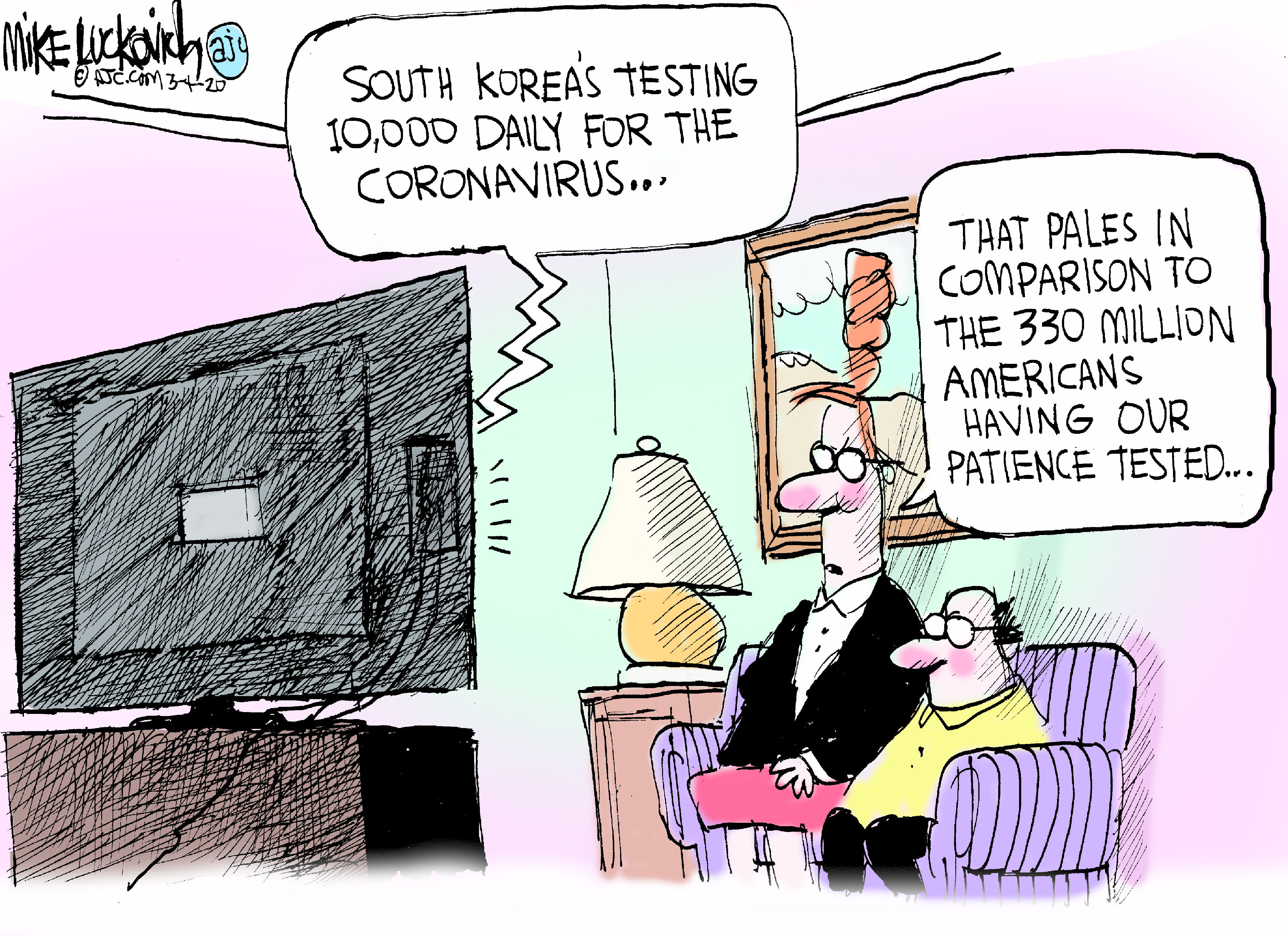
The National Institutes of Health has called for 10,000 healthy volunteers to take part in antibody testing to determine undetected cases of COVID-19. So what is an antibody test? What does it measure and what does it mean?

Antibody tests are analyses of human blood samples which look for the presence of particular antibodies in the blood. They allow researchers and doctors to see the body’s past response to a disease. Antibodies are proteins produced by B cells of the immune system which bind to pathogens and enhance the immune system’s ability to eliminate an infection. B cells produce antibodies with structures designed to bind to one specific antigen once that antigen has been identified in the body. Therefore, the presence of antibodies of a particular structure indicates that the immune system has mounted a response to that antigen.

There are also different classes of antibodies, which have abbreviations such as IgM, IgG, IgD, and IgA, standing for immunoglobulin __. The first time you are infected with a particular pathogen, you will produce mostly IgM antibodies. Near the end of the first infection, the body begins to undergo “class-switching,” in which a different class of antibody better suited for fighting the infection is produced. Because of this, each following immune response is more refined and effective. For COVID-19 antibody tests, researchers are looking for anti-SARS-CoV-2 S protein IgG and IgM antibodies. IgM are generic antibodies, but IgG antibodies are typically best suited for viral infections. As Lab Tests Online indicates, the type of antibodies in the blood is a picture of a person’s infection history. If the blood sample reveals mostly IgM antibodies, the person has likely been infected only once and is not far out (less than a few weeks) from the initial infection. If there is a large concentration of both IgM and IgG antibodies, the person is likely a few weeks out from initial infection or may even be in the midst of a second infection. If the blood sample primarily contains IgG antibodies, the person has likely fought off the pathogen multiple times already. These people would be much less likely to transmit an infection to others; however, they may contribute to infection by cross-contaminating surfaces with a pathogen, even as they themselves are asymptomatic.

In a PBS article, doctors describe antibody tests as a critical response to this pandemic. One doctor explained that knowing whether he had been exposed and developed some immunity to the virus would help him feel more comfortable performing procedures like intubation that involve greater risk of exposure. Antibodies can also be used to passively immunize those fighting an infection. Researchers are already collecting antibody-containing blood plasma from those who have recovered from COVID-19 to potentially use in the treatment of severe cases. The novel coronavirus appears to have a low rate of reinfection, so antibodies may serve as proof of immunity, allowing people to return to normal life.

If NIH testing reveals that a large proportion of the population has been infected and recovered, we may be able to loosen social distancing orders sooner that expected. Italy and other countries are already doing antibody testing, and the WHO plans to start soon as well. In the meanwhile, though…

Editorial cartoons for March 8, 2020: Coronavirus, Wall Street ...
Cartoon by Mike Luckovich

Where we’re going with cancer research: immunotherapy

According to the National Cancer Institute, immunotherapy is now being referred to as the “fifth pillar” of cancer treatment. Immunotherapy refers to treatments designed to improve the ability of immune cells to recognize and attack cancer cells. Examples of immunotherapy include dendritic cell vaccination, checkpoint inhibitors, CAR T-cell therapy, and inoculation with monoclonal antibodies modified to attach to a protein in cancer cells.

The American Cancer Society has a webpage dedicated to emerging immunotherapy research and has identified benefits and disadvantages of various immunotherapy treatments for cancer. While there is hope that immunotherapy may be less harmful to the body, research is so new that little is known about its long-term effects. As a result, special precautions are taken to prevent health care providers, friends and family, and the patient from coming into improper contact with the drug. Immune checkpoint inhibitors, for example, have been associated with dangerous toxicity on account of their ability to suppress molecules that keep the immune system from attacking self-cells. Immunotherapy can be used by itself to treat cancer or as a complementary to other forms of treatment like chemotherapy. Immunotherapy is promising for many types of cancers, but appears to be more effective for certain cancers than others. The Cleveland Clinic reports that the most promising immunotherapy outcomes have been in treating melanomas, non-Hodgkin’s lymphoma, lung cancer, kidney cancer, bladder cancer, and cancers of the head and neck. These are also among the most common cancers.

According to a study in Nature, dendritic cell vaccination has been an area of particular focus for research, supplanting checkpoint inhibitors as one of the primary immunotherapy interventions. Dendritic cells, cells of the innate immune system, are found in tissues throughout the body and are capable of recognizing antigens (potentially harmful foreign or self substances), migrating to lymphoid organs, and presenting the antigen to lymphocytes capable of mounting an effective immune response. Dendritic cells, which can present tumor-associated antigens, are therefore one of the earliest warning signs of danger to our body. However, malignant tumors are sometimes able to avoid or suppress the mechanisms that activate these cells, allowing the cancer to continue growing. The idea behind dendritic cell vaccinations is to take a patient’s own dendritic cells and manipulate them to be more effective in inducing an immune response to the tumor. In past clinical trials, DC vaccinations were encouragingly effective, but responses in clinical settings have been less than stellar. In a November study however, researchers Michele De Palma and Caleb R. Perez identified ways to more precisely engineer dendritic cells. Their findings show that a particular subset of DCs–cDC1s–would be well suited for vaccine use, and they suggested a new cytokine cocktail to differentiate these cDC1 cells from stem cells. Better methods for genetic programming and improving migration of DCs were also suggested. Their suggestions provide hope for manufacturing more effective and patient-tailored vaccines.

Also in November, researchers in the Netherlands observed improved outcomes in patients with castration-resistant prostate cancer following treatment with blood-derived dendritic cell vaccinations in 21 patients. The study also reported low toxicity, with the most severe side effects being flu-like symptoms and injection site reactions. Patients were given mDC and/or pDC vaccinations, and a significant proportion showed tumor antigen-specific T cell responses following. Patients showing these antigen-specific T cell response had a longer median period of time with no tumor growth.

While DC vaccinations and other such therapies require further research, these studies and others indicate promising futures for immunotherapy treatments. These treatments may be less harmful to patients than typical treatments with surgery, radiotherapy, and chemotherapy. However, they may also be very expensive due to the complex engineering required to make them. One FDA-approved DC vaccine, Sipuleucel-T (Provenge), costs $93,000 for a full course of treatment. Already immunotherapy is being used individually and as complementary therapy for cancer patients. Since cancer cells are self cells that have gone haywire, it would make sense to enhance our body’s already-present mechanisms for identifying, infiltrating, and destroying cancer cells. Hopefully as we explore immunotherapy and other possible cures we can continue to find new and innovative ways to fight cancer and save lives.

Original immunotherapy meme

Tales of the Quarantined

There are very few things I could still take for granted after all of this is over. I miss everything, and I long for the life and experiences I can’t have right now. I feel like crying over time we’ll never get back. I want to be in Chapel Hill so badly right now. I miss seeing my friends every day. I miss study sessions and movie nights with them. I miss cookout runs. I miss chilling in the quad all afternoon and procrastinating on homework. I miss the feeling of being where I belong. I love my home and my family, but it doesn’t feel right to be here right now. I live in Parker dorm, which is being used to house students who were granted waivers to stay on campus. We were asked to move out immediately. It was so hard to go pack all my stuff up and bring it back in the middle of the semester. I feel like part of my college experience is being ripped away from me. But at the same time, there are so many people who have it much worse right now, which makes me feel guilty.

The worst part of this pandemic is all the unknowns. We don’t know when things will go back to normal, and that’s the scariest part of all of this. The indefinite nature of our isolation is eating at me more than anything else. I can’t do months of social distancing, my extroverted self will go insane. I’ve been facetiming my friends a lot in order to have some social interaction, and we continue to send each other funny Tik Toks like always. I’ve also been trying to avoid most of the news because it is so anxiety-inducing and quite frankly exhausting to keep up with. Instead of the regular news, I’ve been following accounts like @goodgoodgoodco which post only positive, hopeful news. I already cleaned out my entire room and closet to try to feel productive and create an environment that I can do work in, but it’s really hard to do work right now. I have to keep reminding myself that I want to learn the material in my classes, that even in a pandemic my classes can be important too if I wish them to be.

I’m also quite worried how I would fare if I did contract COVID-19. I’m high risk, and my dad works in the food industry and has to continue going in to work despite one of his coworkers testing positive last week and potentially exposing all of them to the virus. I’m lucky that we have a decent hospital nearby, but I still worry about how my pre-existing condition could lead to a severe case and leave me with permanent lung damage. And while I am worried about how the virus could scar my lungs, I am even more worried about how it could scar our society. Things will change after this, for better or worse. It already has tanked the economy. The effect COVID-19 might have on not just our physical health but our mental, emotional, social, and financial health is terrifying.

I just have to remind myself to take it day by day, zoom by zoom, movie by movie, meme by meme. For most of us, the best we can really do is stay home, wait it out, and be kind to each other. I’m hoping we’re all strong enough to do so, and my hope is strengthened by all the reports of good deeds people are doing for their neighbors and communities. Maybe in the midst of this pandemic we can be reminded of what is really important in life.

And on the topic of what is important in life, here are a few of my favorite memes all from Zoom Memes for Self Quaranteens on Facebook right now:

Also, this is me trying to explain why this is worse than the flu and why we need to heed CDC guidelines to my family:

Image
from @outofcontextBA on Twitter

The syphilis situation

Sexually transmitted diseases are incredibly common among adults worldwide yet often misunderstood. Many adults underestimate the rates of STDs in the population, according to a US News and World Report article. The ugly truth is that over half the US population will develop a sexually transmitted infection over the course of their lifetime. Ignoring the situation will only make it worse, but that has unfortunately been status quo recently. While the general public seems to know the importance of prevention strategies like abstinence, monogamy, and condoms and of regular testing, both unawareness of the prevalence of STDs and increasing inaccessibility of STD support services have led to decreasing compliance to these recommendations.

Recent patterns

A 2019 CDC report found increasing rates of syphilis and congenital syphilis particularly alarming. The number of syphilis cases in the US surpassed 115,000 in 2018, and infant mortality rates due to congenital syphilis increased by 22% from 2017 to 2018. In the US, 5 states have seen dangerously increasing rates of syphilis and congenital syphilis, and account for 70% of congenital syphilis cases. These are Texas, California, Florida, Arizona, and Louisiana.

In response to the CDC’s report on increasing rates of syphilis, county health officials in Richmond, Indiana, went door to door offering free STD tests. They found 5 cases in only a week and a half, whereas they typically report only 2-3 per year. It’s an unfortunate demonstration of both this increasing trend and a lack of awareness and testing among adults in the US.

Outbreaks have also been recorded in Ontario and Nova Scotia, Canada, in recent months, so this is a global issue occurring in peer countries as well. WHO estimates that there are 6 million new syphilis infections each year among people 15-49 years old. In addition, congenital syphilis is responsible for over 300,000 fetal and neonatal deaths each year.

Why are we seeing increasing rates of STDs?

The CDC found 3 major factors driving increases in STDs. The first of these factors is reduced access to STD prevention and care caused by drug use, poverty, unstable housing, and stigma. The next is decreased condom use, especially among young people, gay men, and bisexual men. Finally, cuts to state and local STD programs, which have forced clinics to shut their doors, limited screening, led to staff lay offs, and decreased ability to follow-up with patients and link them to care services.

Basically, when appropriate services are difficult to find and afford, STD rates rise. Rising STD rates have a high human cost. Any chance you have to fight cuts to STD prevention and treatment programs is important, because these diseases affect people you know and can increase HIV infection rates as well.

What are syphilis and congenital syphilis?

The CDC describes syphilis as a disease caused by the Treponema pallidum bacteria spread by direct contact with a sore in or on the penis, vagina, anus, rectum, lips, or mouth. Congenital syphilis occurs when a pregnant mother transmits the disease to her baby in utero. Signs and symptoms of syphilis can be divided into stages:

  • Primary- firm, round, painless sores which heal with or without treatment
  • Secondary- rash (typically on the palms of your hand and soles of your feet), swollen lymph nodes, fever
  • Tertiary- severe complications affecting the heart, brain, or other organs
  • Syphilis can also be latent, with no obvious signs or symptoms.

Congenital syphilis increases the likelihood of having a low birth weight, preterm, or stillborn infant. Infected infants must be treated to avoid cataracts, deafness, seizures, and death.

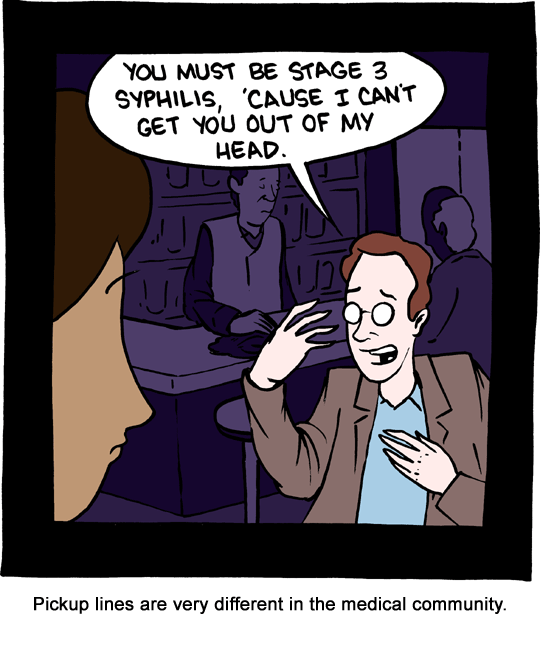
Image result for syphilis comic
SMBC comic by Zach Weinersmith

Syphilis prevention and treatment

Both syphilis and congenital syphilis can be cured with appropriate antibiotics, but infections may still cause permanent damage, especially if left untreated for long periods of time. Congenital syphilis can be easily prevented with the testing of pregnant mothers during pregnancy and before delivery. Use of barriers like condoms drastically reduces infection rates, but infection may still occur since sores may be located outside of barrier protections. This is why regular STD testing is important for any sexually active person and partners at the start of monogamous relationships. They can help prevent a lot of pain and keep you healthy. If you are pregnant and your doctor does not offer an STD test, consider going to a different doctor but also ask to have testing performed just in case. It is quick, painless, and easy and it can only help you and your baby to know for certain.

Additionally, there have been reports of growing antibiotic resistance for syphilis, but it is not as severe as gonorrhoea. Of larger concern is waning supplies of benzathine penicillin, an injectible antibiotic that is the WHO recommended treatment for syphilis. Funding for antibiotics is therefore also important in the fight against syphilis.

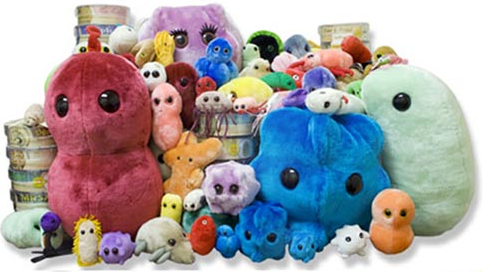
Because STDs are only cute in plush form, check out this cute reminder to get tested regularly:

Pox - Syphilis (Treponema pallidum)
Get your own syphilis from Giant Microbes !

Germs getting gritty: antibiotic resistance

What is antibiotic resistance and why is it a problem?

Antibiotic resistance is the ability of bacteria to overcome drugs designed to kill them. According to the CDC’s “Antibiotic Resistance Threats in the United States, 2019” report, 35,000 people die from 2.8 million antibiotic resistant infections yearly. Five groups are listed as urgent threats on account of how many drugs are ineffective against them and how many infections they cause: Carbapenem-resistant Acinetobacter, Candida auris, Clostridioides difficile, Carbapenem-resistant Enterobacteriaceae, Drug-resistant and Neisseria gonorrhoeae. These are all also referred to as “superbugs,” which is an awfully cool name for something so terrible. In the 2013 report, only 3 germs were listed as urgent threats, so resistance continues to increase despite us being aware for years. Another eleven germs are listed as serious threats, including bacteria that cause salmonella, typhoid fever, staph infections, pneumonia, and tuberculosis. Infections that cannot be treated with typical antibiotics require stronger ones that may be increasingly toxic or more likely to cause dangerous side effects. Some bacterial strains, like totally drug resistant tuberculosis (TDR-TB), are resistant to all known antibiotics and cause fatal infections.

Image may contain: one or more people and text
Antibiotic Resistance from @therealfalcontube on Facebook

How has antibiotic resistance come about?

While all bacteria have some innate resistance due to their cell walls or metabolic processes or the like, antibiotic resistance of concern arises from spontaneous mutations that allow bacteria to produce enzymes that counteract specific drugs (carbapenamases, penicillinases), to modify the molecule targeted by the drug, to reduce uptake of a drug, or to increase the rate of elimination of a drug. Mutated bacteria may be given the opportunity to multiply if antibiotics are not taken appropriately; in which case, the normal microbiota (see Health’s Home- the Microbiome for more) is destroyed by the antibiotic, and the newly resistant bacteria is left to multiply without competition. In addition, bacterial cells can share resistance with each other by transferring plasmids carrying resistance genes. Inappropriate use of antibiotics can mean attempting to use antibiotics to treat viral infections (antibiotics do not work on either the flu or a cold), not taking the full course of antibiotics, or taking antibiotics that are ineffective for the given bacterial infection. Consultation with a doctor and testing of the infection is necessary to avoid an infection becoming deadly from antibiotic resistance.

Image result for antibiotic resistance comic
The spread of antimicrobial resistance via Flickr

According to WHO, antibiotic resistance has also grown because of the use of antibiotics to fatten or prevent disease in cattle, poultry, and other farm animals raised for meat. Antibiotic-resistant bacteria multiply in the animal, and can be transferred to humans through contact with the animal or its feces or the consumption of undercooked meat.

What science is doing about it

The CDC and other organizations around the world are adopting One Health as part of their approach to addressing antibiotic resistance. One Health combines multiple disciplines to understand how humans, animals, microorganisms, and the environment interact in disease. Using this approach recognizes that overuse of antibiotics in animals raised for food as well as improper use of antibiotics by humans has helped create the crisis we are facing today. According to a Science Daily article, researchers have found that the environment–in wildlife and water sources in particular– is the most significant factor in the proliferation of antibiotic-resistant bacteria in Tanzania. Changing our outlook on and approach to antibiotics is necessary to slow the rate of resistance and prevent countless deaths. WHO recommends a drastic reduction in the number of antibiotics used in food-producing animals such that antibiotics are only used after testing a sick animal to determine the appropriate medication for the infection. Researchers around the globe are racing against complete antibiotic resistance, identifying new ways in which human behavior and medical treatment have contributed to this issue, and how we might modify our approach to defeat antibiotic resistance from an evolutionary perspective.

Meanwhile, pharmaceutical scientists are now using AI to screen millions of chemical compounds in days to find new antibiotics to fight increasingly resistant bacteria. This technology identified a drug that in lab tests killed many antibiotic-resistant bacteria, including some resistant to all known antibiotics. The tech could also enable researchers to create antibiotics with greater chemical diversity, giving us more time with effective antibiotics.

What we can do about it

Our most proven approach to dealing with antibiotic resistance is to be extremely prudent in our use of antibiotics and educate the general public about the importance of subscribing to their full course of drug therapy. In addition, doctors can be better about making sure their patients can afford the drugs prescribed and help them find alternatives if need be, so that patients don’t skip drugs to cut personal costs. One study found that 30-60% of antibiotics used in intensive care units are “unnecessary, inappropriate, or suboptimal.” We need to reach the point where this number is 0. This means increasing the availability of testing and effective antibiotics, especially in developing nations where the same few inexpensive drugs are often used to treat every infection.

One of the best things every one can do daily is to take measures to avoid being infected. They can do so through washing their hands thoroughly, cleaning their homes and objects they commonly touch frequently, and avoiding touching their face, eyes, or any other entry point to the body as much as possible. If you don’t get sick, you won’t need antibiotics, and you won’t risk the bacteria developing resistance. In schools and in doctors offices, people can be taught simple aseptic techniques that can decrease their likelihood of infection, and reduce the frequency of their need for antibiotics.

Don’t let the bugs win.

Total KO: the current state of polio vaccines and global eradication efforts

Original polio vaccination image created via Imgflip

In October 2019, the World Health Organization announced that two out of the three strains of polio had been eradicated worldwide. Wild poliovirus type 1 is now the only strain left to be conquered. According to the CDC, polio is an infectious disease which can cause paralysis and death and for which there is no cure. Effective vaccination is our greatest weapon against polio and our only hope for completely ridding the world of this disease as we have for smallpox. However, there are increasing concerns about the oral polio vaccine that is used in vaccination campaigns across the globe.

Two types of vaccines to provide immunity against polio are available: the inactivated polio vaccine (IPV) and the oral polio vaccine (OPV). The inactivated polio vaccine contains dead viruses that are unable to replicate, while the oral polio vaccine contains weakened (attenuated) viruses that may still replicate and mutate. The oral polio virus is preferred in many places because it induces stronger mucosal immunity, which means that antibodies in the GI tract will destroy any polio viruses they come in contact with later on before they replicate and can be transmitted in feces. However, because the OPV contains live viruses, it is capable of causing disease in someone with a weakened immune system. In fact, this is exactly what is happening in the global eradication effort.

NPR reports that we are seeing concerning increases in the number of vaccine-derived poliovirus (VDPV) cases, such that they now outnumber wild polio infections. By delivering live viruses to the body and giving them an opportunity to reproduce in order to build immunity, the poliovirus can be transmitted in the fecal matter of the immunized child. This is of particular concern for places with poor sanitation and sewage systems. The OPV has been the vaccine of choice especially in developing countries because it is cheaper to produce and easier to administer. Many of the countries which have yet to eradicate polio also suffer from endemic malaria, HIV, and tuberculosis, meaning target populations are often already immunocompromised. As a result, it takes their immune systems longer to mount an effective response to the polio vaccine, increasing the length of time that the polio viruses will be able to reproduce, mutate, and be excreted in fecal matter and thus infect other people.

The WHO is looking into using a novel OPV that targets type 2 poliovirus, which causes most cases of VDPV, to address VDPV outbreaks. I would also suggest the ring vaccination method as a possible solution for addressing cost factors while still protecting the unvaccinated. This method involves finding cases of polio (or vaccine-derived polio) and vaccinating all the people that person comes in contact with, thus creating a ring around the infected person. Ring vaccination was successfully used to control smallpox when it was impossible to vaccinate every person in the world, and could make it more affordable to deliver the IPV to higher risk groups. There is also a newly developed polio vaccine inactivated by gamma radiation, which according to its engineers develops better neutralizing antibody response and could be used to replace the IPV and OPV. I think this could be an interesting option, but I doubt it could be sufficiently tested and produced in order to be incorporated into the eradication effort. It would probably be better used for vaccination following eradication to maintain population immunity.

While I might have unintentionally made it seem like the polio vaccine is causing massive polio outbreaks, the truth is that the vaccine has also averted over 13 million cases of polio according to this WHO fact sheet. The OPV still does infinitely more good than harm. Since the circulating vaccine-derived poliovirus exclusively affects under-immunized populations, the solution is actually to ramp up vaccination rates. The closer we get to achieving global eradication, the harder we need to fight. Preventing VDPV cases and vaccinating key populations should be a priority. It is fully likely that we will eradicate the remaining type 1 poliovirus strain in less than 5 years, and since it is possible, we cannot give up until it is finished.

P.S. Big thanks to scientists like Jonas Salk, the inventor of the first polio vaccine, which has now been replaced by Albert Sabin’s version:

Image result for polio meme
Martin Shkreli vs Jonas Salk from Imgur

Health’s Home- the Microbiome

The composition of the microbiome, which consists of trillions of microbes residing in and on the human body, has been linked to countless health conditions. However, the more we learn about the microbiome, the more we find we don’t know. The difference between a healthy and unhealthy microbiome is not black and white. Nature reports that the microbiomes of “healthy” individuals look vastly different and can often depend on a person’s environment, genetics, and lifestyle. In regards to disease, the microbiome’s role in our immune system, especially regarding the development of allergies and asthma, has been significantly emphasized. We know that infants delivered by C-section miss out on their earliest opportunity for a diverse and healthy microbiome, and that this can be a long-term health detriment. We also know that adequate exposure to a variety of microbes as a young child is necessary for a robust microbiome. Yet, there is still much to be unlocked about our microbial communities and how they might be manipulated to improve our lives.

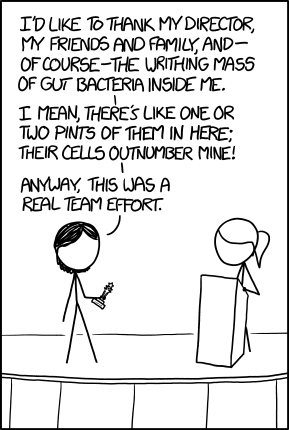
Team Effort
Team Effort from Xkcd

At some point before adulthood (likely around 3 years old), the composition of the gut microbiome reaches relative equilibrium. However, research has found that the skin and oral microbiomes are surprisingly responsive to aging, which appears to coincide with the loss of particular microbes over time. Thus, the microbiome of those with healthy, glowing skin may be an indicator for which health behaviors can keep you looking young. Skincare companies may one day offer microbiome enhancement therapies to fight wrinkles and age spots. I honestly wouldn’t be surprised if the next Hollywood health trend is fecal microbiome transplants. Hopefully we will find a way to offer youth in a much less invasive form, like a pill or drink.

In addition to physical wellness, the microbiome may also affect our mental health. Recent research into the microbiome indicates that it can be associated with personality and behavior for both children and adults. A study covered in Medical News Today linked behavioral dysregulation, socioeconomic risk, and incidents of family turmoil to Bacteroides fragilis. Better mental health and more positive behaviors were associated with the presence of B. fragilis, which has anti-inflammatory benefits. Children with greater socioeconomic risk and family turmoil were less likely to house this bacteria, which could help prevent chronic intestinal inflammation that is associated with later life depression. Additionally, research conducted by Katerina Johnson found that more diverse microbiomes are found in more social people, while anxiety and stress were linked to less diverse microbial communities. In fact, a weak microbiome may play a role in the expression of anti-social behavioral traits in those with autism. Fecal transplants of healthy microbiota into autistic individuals both reduced GI symptoms and improved social behaviors and communication for years after in one trial. These studies offer hope for better treating mental health long term, especially for those who suffer side effects from current drug therapies.

Original Microbiome meme created via Imgflip

We need to be careful, however, not to absolve ourselves of all responsibility for our health by placing blame on a faulty microbiome. We may be many years away from reaping the rewards of research being conducted right now. So continuing to engage in known healthy behaviors like drinking lots of water, eating lots of fruits and veggies, getting plenty of physical exercise and sleep, and wearing sunscreen daily are still the best ways to take care of yourself well into old age.

In-floo-en-zuh: Breaking Down the Seasonal Flu

Every year, the seasonal flu rolls into town and gets half the people you know, and maybe even yourself, sick. The CDC estimates that between October 1, 2019 and February 1, 2020, there have been 22-31 million flu illnesses, 10-15 million flu-related medical visits, 210-370 thousand flu hospitalizations, and 12-30 thousand flu deaths in the U.S. alone. In fact, the seasonal flu is the leading cause of death by a vaccine-preventable disease in the US, according to U.S. Pharmacist. This indicates that developing seasonal herd immunity for the flu is just as relevant as it is for dread diseases like measles, chickenpox, and HPV. And yet each year it seems fewer and fewer people are getting the flu shot, despite increased availability and affordability of immunizations. A study conducted by the American Academy of Family Physicians found that, as of Dec. 9, 2020, less than half of adults had received the flu vaccine and a majority got basic facts about the flu wrong.

Original flu meme created via imgflip

The flu vaccine targets Hemagglutinin antigen and Neuramidinase antigen spikes on the influenza virus. Since the virus replicates using an enzyme that allows for frequent mutations, influenza exhibits significant antigenic drift. Antigenic drift leads to changes in these HA and NA spikes that make the flu vaccine less effective. Scientists must therefore gather each year to try to predict the nature of the flu viruses that will circulate months later during flu season. The FDA determined to include 4 strains in this year’s vaccine: two Influenza A viruses (H1N1 and H3N2) and two Influenza B viruses (B/Victoria lineage and B/Yamagata lineage). For most of the flu season so far, Influenza B/Victoria strains dominated illnesses; however, an increase in the H1N1 A strain has been observed in lab tests recently. This could actually be good news, since the circulating H1N1 viruses are more genetically similar to the strain included in the vaccine than the circulating B/Victoria viruses are to the vaccine virus. While the CDC has not yet reported preliminary data on flu vaccine effectiveness for this season yet, they report that in seasons with similar circulating strains, receiving the flu vaccine reduced one’s risk of having to go to the doctor by 40-60%.

While getting the flu vaccine year after year can seem tedious, it can save countless lives. I think a lot of people misunderstand how serious the flu can be, because those who are generally healthy can recover pretty quickly with appropriate treatment. However, flu season can be catastrophic for children and others susceptible to flu-related complications, and it takes a community effort to help prevent the spread of disease. Far too many people knowingly choose to work or go to school while ill, drastically increasing transmission. In addition to isolating oneself when sick, it is essential to reinforce proper cleaning and hand washing practices to fight the flu.

Getting the flu vaccine is like putting your immune system on alert for a wanted criminal. Even if the virus doesn’t perfectly match the sketch on the wanted poster, the immune system will still move in on the intruder faster than if it had no idea at all what it was looking for. The vaccine cannot give you the flu, because it is composed of inactivated virus. If a person gets sick right after receiving the shot, they were already infected and in the incubation period of illness. Additionally, the CDC states that antibodies are built up two weeks after vaccination; so it is important to continue being especially cautious following immunization in order to allow the body time to respond to the shot.

In addition to the numerous health reasons to get the flu vaccine, it is a cost-saving measure as well. The flu vaccine may prevent you or your family from getting the disease entirely. But even if you still catch the flu, just having received the vaccine can decrease the severity of the disease, averting the need for costly doctor’s appointments, hospitalizations, and antiviral medications. Additionally, the shot can prevent the need to take time off of work for either oneself or to care for a sick child. While pretty much anyone with health insurance can receive the flu vaccine for free at most major pharmacies (CVS, Walgreens, Target, Walmart, etc.), there are also options available for those without insurance, which can be found here.

How to live forever (or at least past childhood): the case against Andrew Wakefield

The Lies

Over two decades ago, Andrew Wakefield, together with twelve colleagues published a paper in the Lancet claiming to establish a link betweed the measles, mumps, and rubella vaccine and autism. According to a New York Times article about the paper’s impact on public health, the “study” included a whopping 12 persons, who were later found to be hand-picked to manipulate data towards a false causal link between the MMR vaccine and autism. Additionally, Wakefield’s paper was funded by lawyers representing parents suing companies producing vaccines. Despite insufficient evidence, the report was widely publicized and MMR vaccination rates began to drop immediately. Twenty-two years later, even after numerous well-designed studies finding no association, the retraction of the paper, and the revocation of Wakefield’s medical license, anti-vaccination propaganda and interest continues to negatively affect vaccination rates and has lead to outbreaks in the US which have taken hundreds of innocent lives unnecessarily.

Continued Impact

The CDC reported the average MMR vaccination coverage of American schoolchildren in 2018-2019 to be 94.7%, which is below the minimum 95% coverage needed for effective herd immunity. However, this is a slight increase from 94.3% coverage reported by the CDC in 2017-2018. Hopefully, this national trend will continue and indicates a decline in anti-vaccination group influence and prevalence. There is still great disparity among states in rates of vaccination, with rates as low as 81.3% in Washington, DC.

Fixing it

Doctors interviewed in a NY Times article about Anti-Vaccine Sentiment in the US seem to believe that vaccines, in addition to eliminating many diseases have also wiped out the memory of those diseases. It may be helpful then, to deploy public health campaigns offering a graphic reminder of the real, observable results of measles mumps, and rubella.

Anti-vaxxers often promote thinking that resists the status-quo and is distrustful of the government, Big Pharma, and science as a whole. However, in doing so, they have created their own mindless group-think which proliferates in pockets of the population and uses intimidation to influence parents who vaccinate their children. It is easy now to go on social media or the internet and find people who will bolster any doubts a parent might have about vaccines. The narratives of a few who have had adverse reactions to a vaccine have greater emotional appeal over the millions upon millions whose lives have been saved by vaccines. The cultural trend of individualistic parenting, coinciding with rise in anti-vax sentiment, harms the case for public health and herd immunity.

Original Vaxx meme created via imgflip

The Lancet never should have published a study making such a dramatic claim with a sample size of only 12 children. Science must be vigilant, and media must be responsible enough to give greater attention to real science over fradulent reports. While anti-vaxxer’s today may claim that their concerns do not come from the Wakefield article, the anti-vaccination movement had its roots in lies and deceit.

Vaccines are just as natural as the microorganisms that cause these preventable diseases. One, however, has a much better track record. Vaccinated children are exposed to the same pathogen antigens as infected children, but these are given in small doses of weakened or dead pathogens that cannot cause the harm that an initial infection with a high dose of live pathogen can. If we better explained the components of vaccines and why each is safe, physicians and pharmacists might have greater success convincing parents to vaccinate their children. Most parents are reasonable, but considering the outrageous costs of medication in the US, many are rightfully suspicious of the intentions of vaccine manufacturers. However, vaccines are some of the most heavily researched and closely monitored medical tools. Just last year, another longitudinal study of over 600,000 children covered in a Pediatrics in Review article found no evidence to support an association between the MMR vaccine and autism. This n=600,000 sample size is a far cry from Wakefield and his co-authors’ n=12 sample size. The same article linked the April 2019 measles outbreak, which led to over 200 cases of measles, to increasing vaccine hesitancy and refusal.

Outbreaks like these are completely preventable. Adressing vaccine hesitancy should thus be a top priority of all physicians, and the government should consider tightening restrictions on nonmedical exemptions, especially in those states with vaccination rates well below 95%. On top of this, we must find a way to revoke credibility from outspoken celebrities emboldened by their money and status in society and return it to science and medical professionals.

The truth is, vaccines are what is best for individual persons, the general public, and especially the immunocompromised. Claiming that you are FOR parent’s rights to make their own decisions for their child rather than AGAINST vaccination is not a moral high ground when the only parents that position truly supports is those that endanger the lives of their own children and the public as a whole. The government is not an oppressor for requiring vaccinations to attend school. Instead, they are preventing mass sickness and death that can come from misguided and dangerous trends.

On a local level, in my home state of North Carolina, there does seem to be increasing stigma against those who do not vaccinate. This kind of stigma is a very good thing, as it can help ensure we meet the herd immunity threshhold, and hopefully stigma will change the tide of decreasing vaccination rates in other states as well.

(In other news, recent Carolina basketball losses have made me wish I hadn’t lived this long to feel this pain; so if we see a decrease in vaccination rates in the Chapel Hill area soon, you know why.)