The composition of the microbiome, which consists of trillions of microbes residing in and on the human body, has been linked to countless health conditions. However, the more we learn about the microbiome, the more we find we don’t know. The difference between a healthy and unhealthy microbiome is not black and white. Nature reports that the microbiomes of “healthy” individuals look vastly different and can often depend on a person’s environment, genetics, and lifestyle. In regards to disease, the microbiome’s role in our immune system, especially regarding the development of allergies and asthma, has been significantly emphasized. We know that infants delivered by C-section miss out on their earliest opportunity for a diverse and healthy microbiome, and that this can be a long-term health detriment. We also know that adequate exposure to a variety of microbes as a young child is necessary for a robust microbiome. Yet, there is still much to be unlocked about our microbial communities and how they might be manipulated to improve our lives.

At some point before adulthood (likely around 3 years old), the composition of the gut microbiome reaches relative equilibrium. However, research has found that the skin and oral microbiomes are surprisingly responsive to aging, which appears to coincide with the loss of particular microbes over time. Thus, the microbiome of those with healthy, glowing skin may be an indicator for which health behaviors can keep you looking young. Skincare companies may one day offer microbiome enhancement therapies to fight wrinkles and age spots. I honestly wouldn’t be surprised if the next Hollywood health trend is fecal microbiome transplants. Hopefully we will find a way to offer youth in a much less invasive form, like a pill or drink.
In addition to physical wellness, the microbiome may also affect our mental health. Recent research into the microbiome indicates that it can be associated with personality and behavior for both children and adults. A study covered in Medical News Today linked behavioral dysregulation, socioeconomic risk, and incidents of family turmoil to Bacteroides fragilis. Better mental health and more positive behaviors were associated with the presence of B. fragilis, which has anti-inflammatory benefits. Children with greater socioeconomic risk and family turmoil were less likely to house this bacteria, which could help prevent chronic intestinal inflammation that is associated with later life depression. Additionally, research conducted by Katerina Johnson found that more diverse microbiomes are found in more social people, while anxiety and stress were linked to less diverse microbial communities. In fact, a weak microbiome may play a role in the expression of anti-social behavioral traits in those with autism. Fecal transplants of healthy microbiota into autistic individuals both reduced GI symptoms and improved social behaviors and communication for years after in one trial. These studies offer hope for better treating mental health long term, especially for those who suffer side effects from current drug therapies.
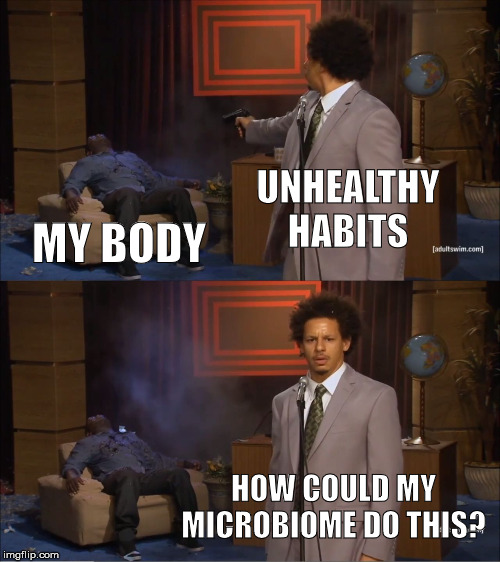
We need to be careful, however, not to absolve ourselves of all responsibility for our health by placing blame on a faulty microbiome. We may be many years away from reaping the rewards of research being conducted right now. So continuing to engage in known healthy behaviors like drinking lots of water, eating lots of fruits and veggies, getting plenty of physical exercise and sleep, and wearing sunscreen daily are still the best ways to take care of yourself well into old age.

 Hannah Biowell Blog
[…] to multiply if antibiotics are not taken appropriately; in which case, the normal microbiota (see Health’s Home- the Microbiome for more) is destroyed by the antibiotic, and the newly resistant bacteria is left to multiply […]
LikeLike